
In April the UK’s New Statesman published an article entitled Angry Young Women, which uses new polling to
… explore a growing ideological divide, detailing a shift among young British women toward the populist left and heightened economic pessimism. The report highlights that women aged 18–30 are increasingly progressive, disillusioned with capitalism, and in some cases, rejecting traditional dating and family structures.
That’s how AI summarised it for me - in reality the article is eye-catching because it is based on polling that describes a powerful and pervasive internet-driven dislike of men which is distinctive amongst this generation and worse the more educated, white and well-off they are. The key finding is that young women have a far more negative view of men than vice versa. The article is paywalled but the video above summarises the main issues.
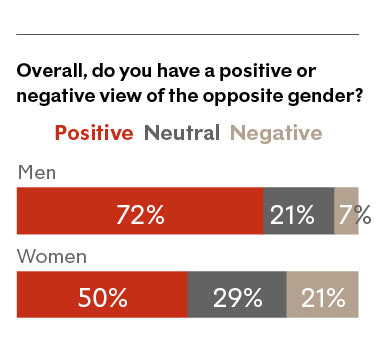
The polling, article and video caught attention because they provide a counterpoint to the well-trodden ground of the online radicalisation of young men. Many people (including me) commenting on that phenomenon have noted that data shows that if any group in society is showing signs of diverging from the political mainstream it is young women not young men. This is another chunk of data to support that, and the New Statesman’s work is also a great checkpoint to both consider the differences in how men and women are driven to extremes, why it happens, and what it means for each of them.
